Coming into a new restaurant to take control of an existing menu and program is an interesting experience if just because of the line that gets walked between tradition and innovation. Telling a new cook who keeps talking about “the way it was done at their old place” that it doesn’t matter- they’re here now, we do it this way, you will too- gets a twist when you step in at a level of creative control. “Make it new…” but not too new.
The house bread at my winery cannot be radically changed- too many people love it, it’s too embedded in the menu. Well and good. The cookie recipes, however, and especially a Canele recipe that only one person could ever make work well? Those required the addition of creativity and craft to make them work better and BE better.
No fancy new ingredients. No strange chemical or additions. The best “secret ingredients” are techniques- and the very best ones aren’t even that.

1. Brown Your Butter

It’s hard to think of any baked good that can’t be significantly improved by the small planning and action involved in using brown butter.
Browned butter, or buerre noisette (“hazelnut butter”) is a matter of melting your butter in a pot or skillet, melting it, and continuing to heat while swirling and cooking it until the butter separates into clarified butter (or ghee) and the milk solids… then keep cooking until the solids start to brown. Once browned (not burned), pour the butter out of the hot pan, let cool, and use as normal.
I like to tell people that this is how you add “caramel” to baked goods without adding caramel itself. Browned butter that has been recombined, cooled, and chilled can be used in most baking applications that would call for cold butter- scones, streusels, crusts, etc. The tasty toastiness adds a depth of flavor that’s always welcome in a pastry- and all it takes is a little time and attention.
2. Toast Your Spices

Spices are (and arguably have always been) expensive, and you always get what you pay for as far as quality goes. Spices impart their flavor through their oils though, and a good way to make the best of even cheap spices- whole OR ground- is simply to warm them up.
You can do this in a skillet over medium-high heat or a sheet pan in an oven- either way requires care and attention to avoid burning them- but activating the oils in your spices with some heat will unlock a depth of flavor you can’t get straight away. Some spice companies even sell their blends roasted for extra money.
If you have a coffee grinder on hand, you can even grind them yourself to get the best flavor out even cheap whole spices. A little heat, a little grinding, and a little time with a sifter can make all the difference in your Hot Buttered Rum, Spice Cake, pies and cookies. At one of the places I worked, we bought nearly all of our spices whole and ground them each day for that days production. We never bought the most expensive spices available, but we bought good ones and made them better.
Take the time, get your spices nice and warm, then have fun.
3. Infuse Your… Anything
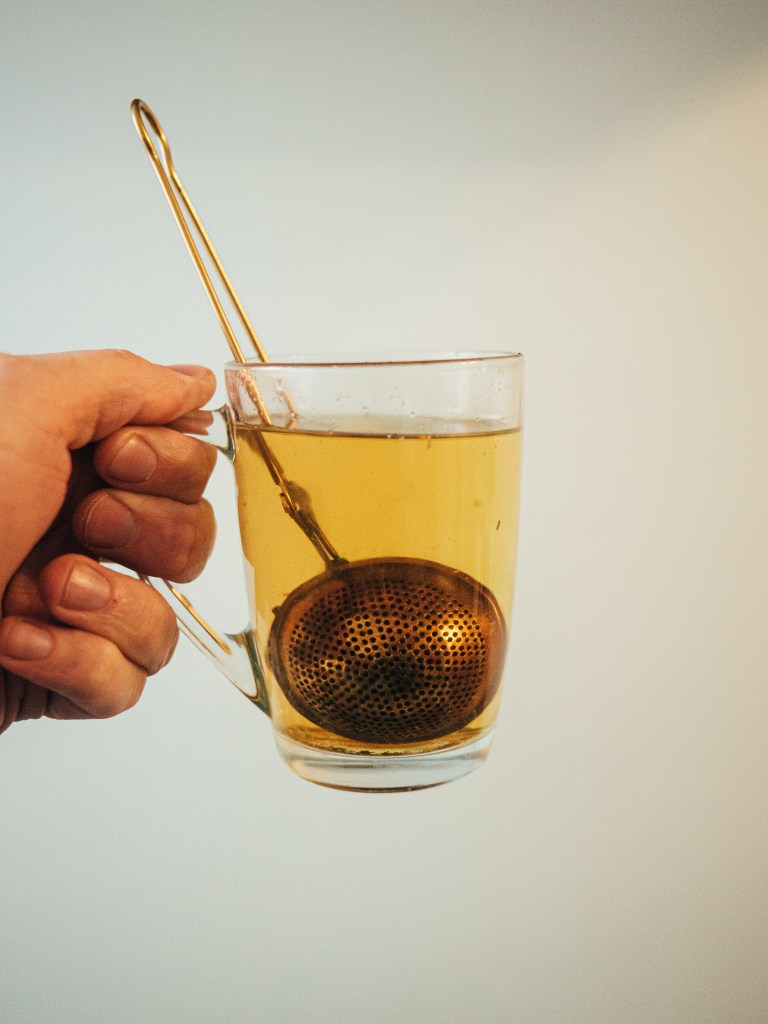
I can almost guarantee you do an infusion every morning. If you make coffee or tea to start your day, you already know how infusion can change the most basic beverage on earth- plain water.
But what if you could infuse other things? Your cooking oils, for example, to amplify the flavors of dishes you make regularly? Or that cheap supermarket red wine vinegar to make it something to elevate your salad and Italian Sub rather than just dress it? Maybe you want to make a cinnamon buttercream icing but don’t want it to be brown or flecked with visible cinnamon.
Infusion is one of the simplest things to do- put a strongly flavored substance in a less-flavored substance, applying heat or not, until the flavors leech through.
Much like spices, flavored extracts (especially vanilla) are only getting more expensive. With a little time and planning, you can make your own with cheap alcohol. Most folks use vodka for this, but I prefer Everclear (practically pure grain alcohol) because it will keep better and has less water and competing flavors involved. All that’s involved is putting some split vanilla beans in a jar of booze, sealing it up tight… and waiting.
The Ultimate Secret Ingredients
The very best secret ingredients I have are easy to find, sometimes difficult to use, but always pay out well if you use them correctly. In fact, they’re critical in making the others work.
My Ultimate Secret Ingredients are Time, Patience, and Care.
Practically every instance of flubbing a recipe I can remember doing has come from me getting impatient and trying to “hurry things along a bit.” It’s nice to think that sufficient skills or tricky-tricks can hurry up a slow, careful process, but the truth is you will never get the best out of anything by being hasty.
My wife and I have a recipe for Chicken and Andouille Jambalaya that we love making as the weather gets colder. It’s spicy, makes the house smell amazing, and can stretch some sausages and a couple chicken breasts out to a weeks worth of meals.
I will always insist that I am the better baker and my wife is the better cook, but in this case I made the jambalaya first and I was the one to make it several times after. I made my own changes and touches- and added time and care to how I made it.
One day, though, my wife decided she wanted to make it. She pulled out the recipe and followed it to the letter. We both ate it and I was grateful, but Em was disappointed. “It doesn’t taste like yours though… do you use a different recipe? This is really just kinda bland.”
It was the same recipe- the only things I added were a couple extra spices- but I had changed the techniques, and took my time.
“Hmm… how long did you cook the trinity?”
“Oh, till they were cooked and soft…”
“Nope. You need to cook them till they brown. BURN the things, and get all that nice browning on the pot. How long did you cook it after adding the rice?”
“Just till the rice was done?”
“Nope. Set the heat down, let it take a while, and let the water completely cook off. Let the rice crisp and stick to the bottom, then cover it off the heat. The steam will release the rice… that’s how you get those crispy bits…”
I pulled out the recipe and wrote down my method. Nothing fancy, nothing new- just taking your time, being patient, and enjoying what your are doing as you do it.
Stay Classy,

 The Black Hat Baker