Food is a form of communication. If you learn the history of cuisine, a plate can tell you its origin story, how its cooking methods were devised and why. Fried rice can tell you about the need to feed a lot of hungry field workers quickly and making their bland starchy staple taste good. Corned Beef and Cabbage will remind you of the poverty of new Irish and Jewish immigrants, crammed cheek-by-jowl in the slums of American cities, sharing what they had and knew to get by.
Food is communication. It’s a history lesson. It’s storytelling.
So how, exactly, does one become a good storyteller with food? The answer takes a bit more effort than “learn to cook”- as if that wasn’t enough.
If you had told me a year and a half ago that I’d be second-in-command in my bakery, I would have asked what the hell went wrong.
Well, obviously COVID did, but that was only part of it.
So far, my current employment has been where I could say my most “traditional” career growth has taken place. I started as a morning baker, became a shift lead, and then Production Lead- the right hand of my manager who runs the kitchen under the auspices of the owner. My usual station is Pastry Prep (previously considered the position for newcomers and students)- but in addition to my actual production work, my other responsibilities include:
Fielding questions to take weight off my manager.
Training, advising, and assisting the other bakers as necessary.
Troubleshooting problems with production or facilities.
Responding to the higher-ups when the manager is indisposed.
Not to toot my own horn, but I handle all of it quite well, and I feel that the responsibilities I have are well-placed. In the meritocratic lore of the kitchen, this is as it should be- employees develop, rise to the level of their capability and talent, and acquire new power, responsibility, and recognition each time.
What is NOT part of that lore, or mentioned in my own ascendancy, is just how many good people I worked with deserved those roles and recognition more than me, but left for a variety of reasons. How much of advancement in the kitchen is actually meritocratic, and how much is “dead man’s boots?”
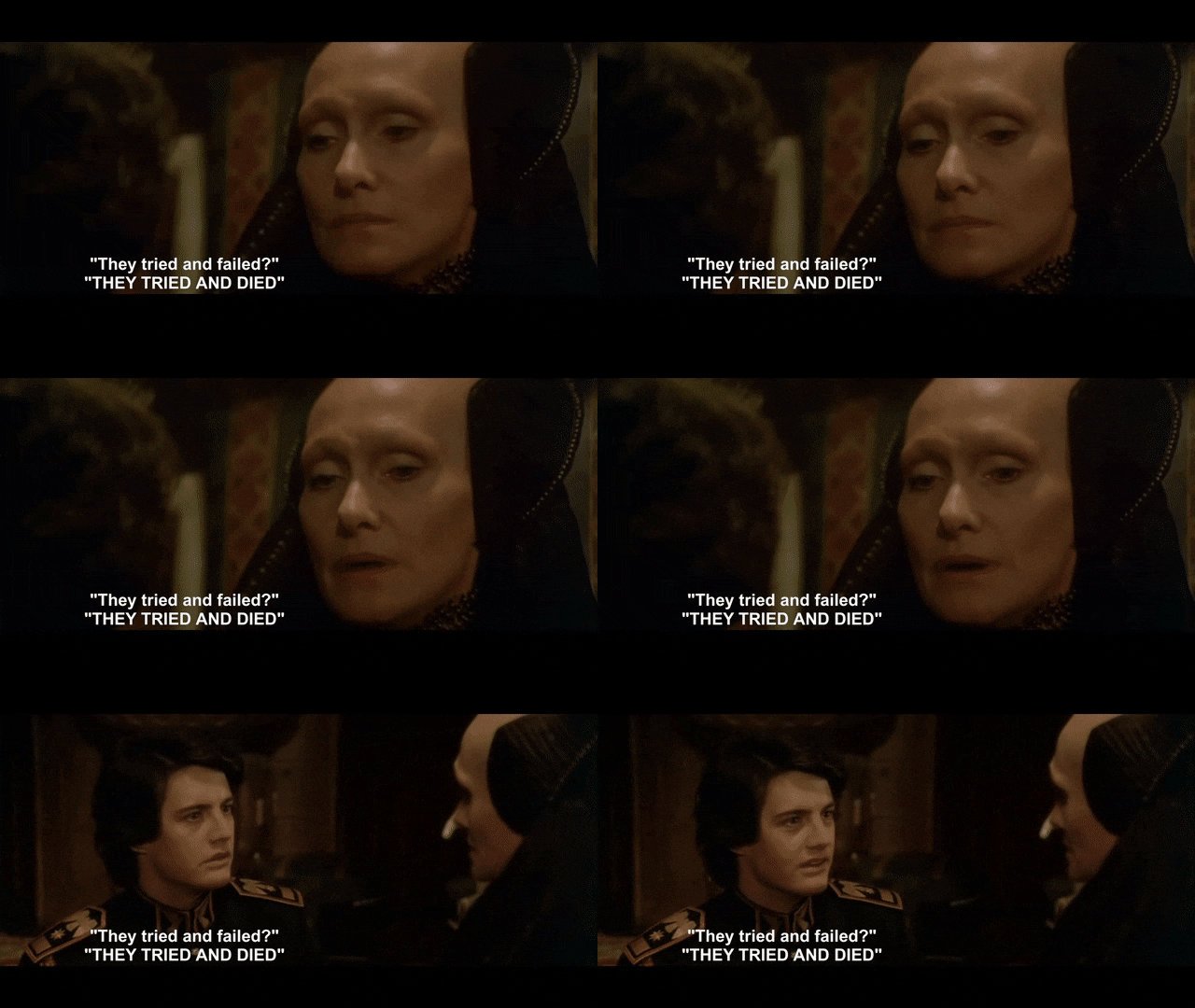
“Many men have tried.” “They tried and failed?” “They tried and died.” (from Dune)
Omnia mutantur, nos et mutamur in illis. “All things change, and we change with them.”
I don’t think anyone just wakes up one morning and decides that they’re going to quit their job.
Unless a solidly impressive series of stars have aligned that let them casually drop their (usually) primary method of making money, the decision to quit a job is something that people set up the dominoes to for quite a while.
Perhaps they’ve had a side hustle going for long enough that they’d like to see if it’ll fly on it’s own. Maybe they need a break and have a support system in place while they do just that. In volatile instances, the stress, anger, and indignation they feel at their current situation finally explodes and they walk off the job on a lunch break with no end.
In any case, leaving a job voluntarily is a major life change and the process of finding a new one can be nerve-wracking. When it’s time to move on, it’s important to know why and how.
Good evening, friends and neighbors! Sorry this blog is a day late- I was a little tied up for the same reason there wasn’t a “Whiskey and Jellybeans” yesterday. Namely, finally celebrating Passover with my family!
After a fashion, anyway
I did take the opportunity to do a little writing and thinking on the subject though. So let’s start with a seriously impolitic question today.
The worlds of food and classical music don’t always intersect- beyond the artistry and passion of their respective devotees, that is. When my wife (a piano teacher) and I discuss our work with each other, one of us is usually on “home turf.” I’m a professional baker and she loves to cook, or she’s expounding on an obscure piece of music and I know a couple big names. That’s marriage for you, though- we don’t “complete” each other, but we do find ways to be complete together.
In that sense, we often discuss ideas like discipline, teaching methods, leadership (in the context of our workplaces,) and the artistic aspects of what we’ve built our lives around.
And one thing that we agree on wholeheartedly is that talent doesn’t mean a damn thing.