My idea of a “fancy night out” wasn’t entirely determined by period movies. A good chunk was my parents.
Growing up, my parents would occasionally fancy themselves up for special occasions and go out. My older sister was left in charge, $60 was left in the foyer for Dinos (or Michelli’s if we want pizza that night instead of subs) and my parents would head out. My father actually owned a tuxedo and one of my clearest memories of those times was my dad in a matching cummerbund and bowtie, with a chained ribbon around his neck and a smaller version on my mom’s.
As I got older and I ingested more media, visions of what one actually did in a tux and pearls clarified beyond “go off and leave me with my sisters.” Images of Thomas and Martha Wayne getting dolled up for the movies seemed old fashioned because that’s common and casual these days. Going to a concert also didn’t feel appropriate because I’d been to or seen rock and folk concerts. If there was a tuxedo in that crowd, it had to have been either a prank or a prop.
The opera or symphony, however… THAT felt like the kind of thing you dressed up for. The period pieces were definitely old-timey, but the buildings still exist and walking into one makes you feel like you ought to dress the part.
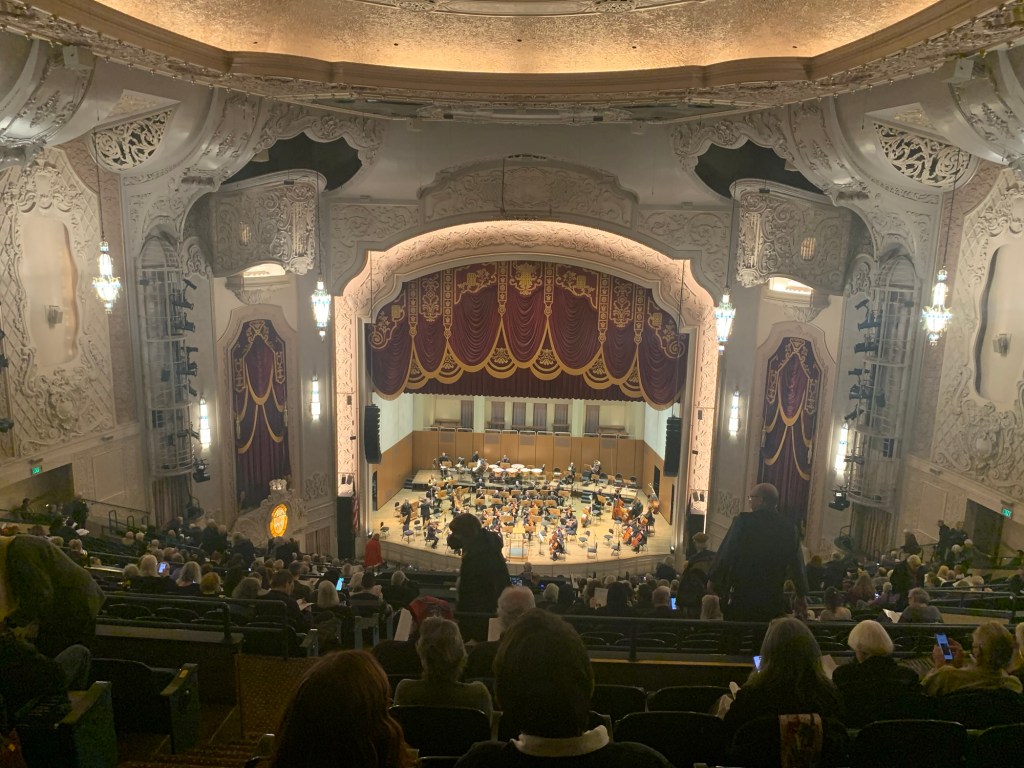
For our anniversary this year, my wife and I decided we were going to get tickets to see the Oregon Symphony. We’d been past the concert hall several times over the course of our nine years in Portland and seen the marquis change over and over between performances we knew and ones we didn’t. Portland is a town with a lot of music venues suitable to every taste.
The Hawthorn Theater- a giant cube that used to house a Masonic temple- can be relied on to have lines of goth, grunge, punk, emo, and members of various other socio-musical genres waiting to get in. Revolution Hall is built out of an old high school gymnasium and tends to host lighter material and podcast shows. Part of me wonders if made-up goth chicks in tattered black fishnet attire would frustrate, distract, or entice the office workers operating out of the old classrooms above or put off diners at the rooftop bar (whose kitchen, if I remember correctly, was originally the high schools locker room.)
The Arlene Schnitzer Concert Hall, a.k.a. “The Schnitz”, was built for the task ages ago and looks it. In the “Cultural District” of the city, a short shlep from the University district just up the road, it sits cate-corner to the art museum (half of which is another former Masonic temple) and across from a historic hotel that now has the distinction of having a formerly-great Japanese restaurant on the ground floor. Incidentally, I live down the street from yet another former Masonic temple. The upper levels are a private home, while the basement is the headquarters for the local miniature train club.
Across the street from the Schnitz, in pre-COVID days, was a bar called “Barlow” that offered concert goers a flashy but good post-theater experience. Passing through some years ago, I was intrigued by their boast of “the coldest martini in town.” Surrounded by over-upholstered booths and too-small-for-real-meals tables, I found that the big secret was liquid nitrogen. A Thermos of the stuff was stashed behind the bar and a stiff jolt was poured into the glass while a slightly smaller hit was tipped into the mixer with your gin (correct), dry vermouth and olive brine (also correct depending on the gin, fight me.) The tip money came from when the bartender was ready, they would splash the cocktail glass against the mirror behind the bar, leaving a cloud of vapor and pouring your admittedly frigid martini into a perfectly cold glass. Nothing you couldn’t do with good ice and some skill, but worth every penny to those dressed up for a night at the theater.
My wife shares my visions of getting dolled up for big nights out, but neither of us actually has dress clothes like that anymore. My wife has her outfits for recitals and teaching, and I have the remains of my pseudo-dapper attire. Economic realities strike the wardrobe as well as the pantry- neither of us sees the need for spending money on clothing we’ll wear only when we can afford to be seen wearing it. We agree on a “smart casual” dress code for our anniversary concert, since we are also foregoing a fancy dinner and instead cooking at home to save money. I go with clean blue jeans, Doc Martin boots, a black thermal shirt, and I gently augment it with a fedora and black trench coat. Emily, of course, chooses to look adorable and perfect in black jeans and a floral blouse- common teaching attire for her.
The Schnitz still has shadows of the old glamour. Ushers are in casual clothes, and the ticket-taker scans a QR code on your phone (made available 12 hours before the performance for security reasons, because for all the beauty still in this world, assholes still exist.) Walking into the lobby, I get a vision of what it used to be. Emily is taking pictures and, if I squint my eyes, I can still imagine dapper and well-appointed folks strolling through the lobby, sitting on the couches, and gathered at the lobby bar where snacks and beverages are still sold at exorbitant prices. I give in and purchase a Whiskey Soda, noting that the “well” whiskey is Old Forester and my wife saying she might like “a white wine sometime, but not now.”
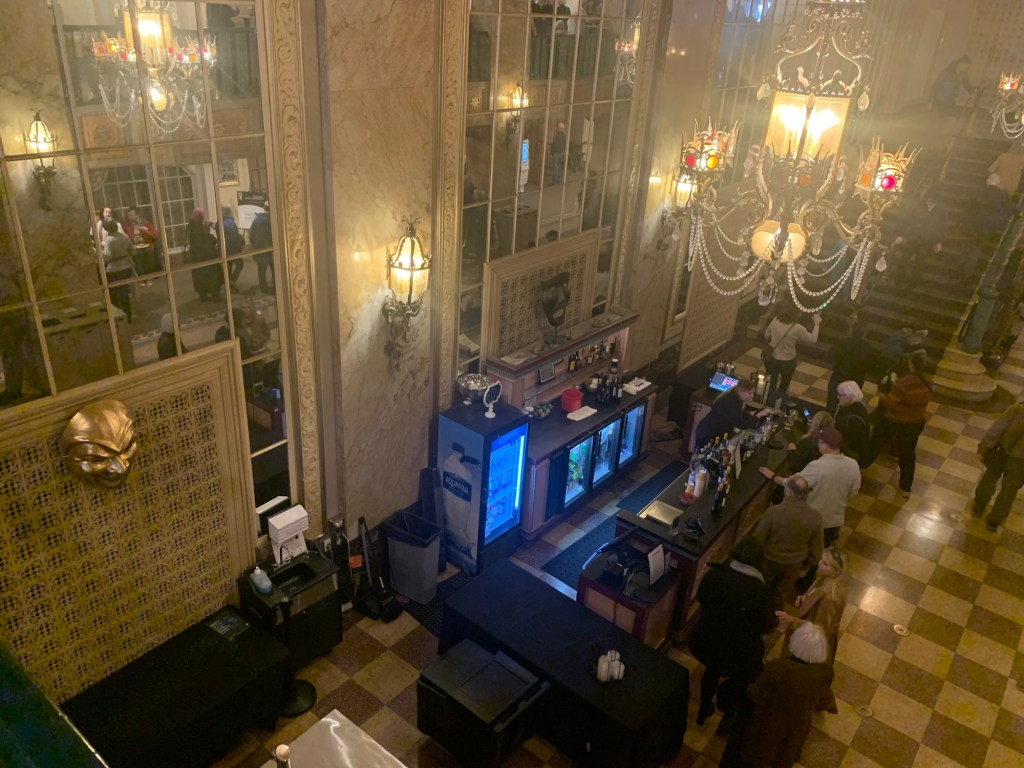
In another time, this same bar may have sold tobacco for the patrons to smoke at intermission. I recall that was part of the reason for developing cigarillos- smaller cigars that one could enjoy in 15 minutes. I also remember learning about Opera Slice- a decadent multi-layer chocolate-coffee-hazelnut cake served at the Paris Opera, similarly meant for intermissions. Today, we have “No Smoking” signs, M&Ms, and the mens and womens “lounges” are euphemisms for the bathrooms.
Ascending carpeted stairs to our nosebleed-level seats (Emily picked them, saying “If the sound is good, I don’t care about view. I’m not interested in counting the violinists strokes”) I’m struck by the mix of ages in the lobby. There are very few children, but plenty of attendees my age and apparently buses from a couple assisted living centers emptied their residents into the lobby for a days outing like they were kids at a sleepaway summer camp.
We found our seats, I took my first good look at the entirety of the concert hall, and my first thought was “this is a temple.” It didn’t have booths or boxes, and the decor was actually a little plainer than other theaters I remembered either in reality or fiction. All the same, the magic circle was in action and I was very much aware I had entered a space where Music and Stories were important, and whatever was outside didn’t matter.
As the lights dimmed and the orchestra began its first piece, I felt it rest over me like a weighted blanket. I was arrested by watching the musicians (in such detail as I could make out) handle their instruments and making music spill out that told the Story- tragedy. Mundane heroism. Hope, rage, grief, and resignation all felt at once.
The program mentioned a bit about each of the pieces- short biographies of their composers, notes on the composition, and what I can best describe as tasting notes as seen on a bottle of bourbon, gently guiding the listener/tippler through the experience as though it were a tour and they were pointing out landmarks. “And on the left, you’ll notice the feeling of loss and rage the composer expressed at their terminal diagnosis!”
It worked, though. Goddammit, it all worked. It all washed over and hit me. The music, the musicians, the space, and the feeling that I could always come here to make something briefly matter more than whatever hurt outside.
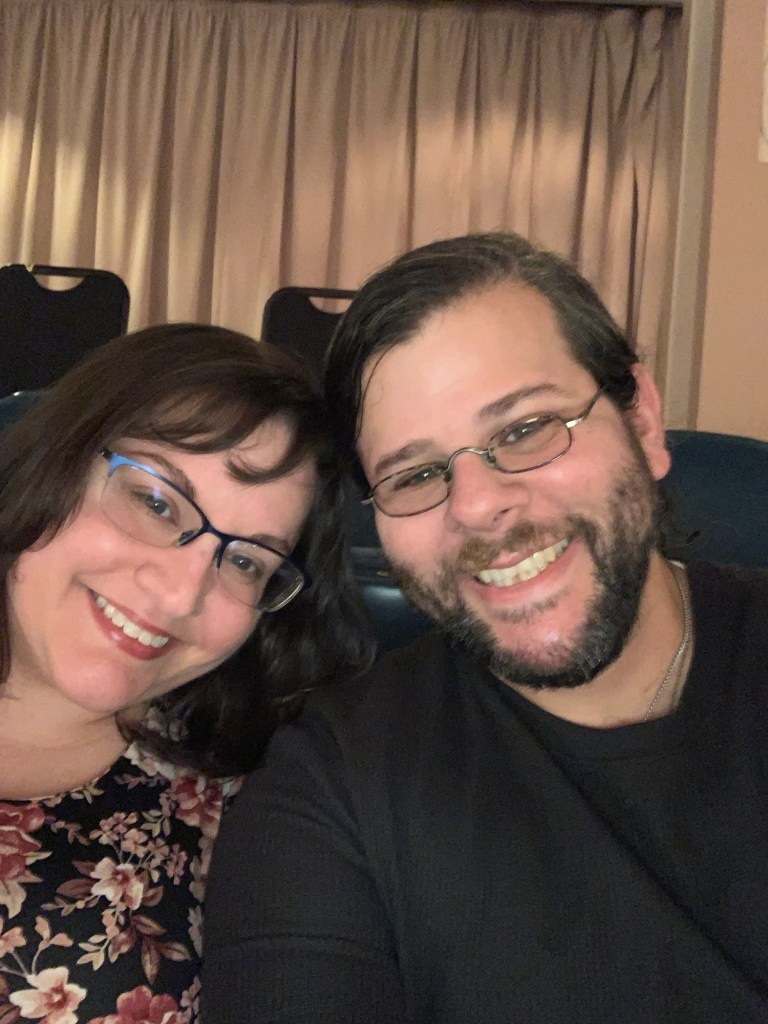
By the end of the performance, Emily was flipping through the program looking for future performances she could bring students to, and I just wanted return on a regular basis. I wanted to be in a space where Stories and Music and People Together mattered more often.
In that regard, I’m a little glad those visions of Grand Nights Out are in the nostalgic past. Getting into a tuxedo regularly must be expensive and put a lot of wear on formal attire.
Stay Classy,

 The Black Hat Baker