Portland is enjoying a smoky Indian Summer, and it’s a situation in which I truly wouldn’t mind being caught in the rain on my way home.
I’ve ducked out of the heat in the Side Street Bar- not-quite-dive off of Belmont. I’d intended to drop copies of my books off with a local secondhand bookstore. Apparently my knack for salesmanship doesn’t extended farther than pastry, so I figured by handing a few autographed copies over bookstores I could at least get a little marketing done for the cost of the books. This is Portland, after all- we love “local” everything, including authors.
Hiding from the sun isn’t my thing, even on a sweaty Sunday. As busy as the bake shop has been, I find myself “working for the weekend” and trying to get as much low-pressure living into 48 hours as possible. Sometimes that means going afield and exploring a new part of the city- sometimes it means going down the street to a pub where no one knows me, having a couple beers, and putting down a couple words.
Sometimes peace of mind looks like mountain-top retreats and hammocks on beaches, and sometimes it a couple cold pints in a bar playing classic blues on a hot day. It’s a matter of personality and perspective really.
I used to say that I got truly restless when I lost weight and suddenly had a lot more energy. I couldn’t just crash out on the couch all day- I HAD to go out. I had to see, to do, to walk, move and find. I also used to blame it on being a fan of Anthony Bourdain, but the time line doesn’t quite jive. Tony made me want to try, talk, travel, and tell stories- but I can’t blame him for my inability to just sit at home on a dull day anymore.
Where does the urge to go out and wander around come from? From the need to feel free, and the knowledge you can.
“Master, I go hunting.” – Ursula K. LeGuin, A Wizard of Earthsea
I started making mead 9 years ago with a single jug, a beer fridge, and a jar of honey. It looked like a simple, fun, low-effort way to do science and get “free” booze out of it. It was a single gallon batch that I got ratio for from The Art of Fermentation. After about two weeks, I took a sip of my first mead- wildflower honey infused with some cinnamon sticks and a single split vanilla bean. It was cloyingly sweet but obviously had fermented slightly, so it was a win in my book.
The success of making a fizzy, slightly-alcoholic-but-drinkable beverage led to a years-long hobby. I’ve shared with friends, experimented, collected more books and (slightly) better equipment, and even won an award at the Oregon State Fair.
(To be clear, that award was a silver medal in a single subcategory. I came in second out of two entries in the “experimental” mead subgroup.)
A few weeks ago, I bottled my latest mead.
It was a version of one of my first metheglins (a.k.a. Mead with spices), but this time I wanted to Do It Properly. It wasn’t a “shake and pray” wild ferment. I’d made a 4 gallon batch using locally sourced honeys. I wrote down my sources, my water temperatures, the sources and amounts of the spices I used, and I used campden tablets and real cultured mead yeast to Make It Right. I didn’t know what “gravity” was for that first jug way back when. For this one, I factored time and temperature into recording the changes in gravity over five months.
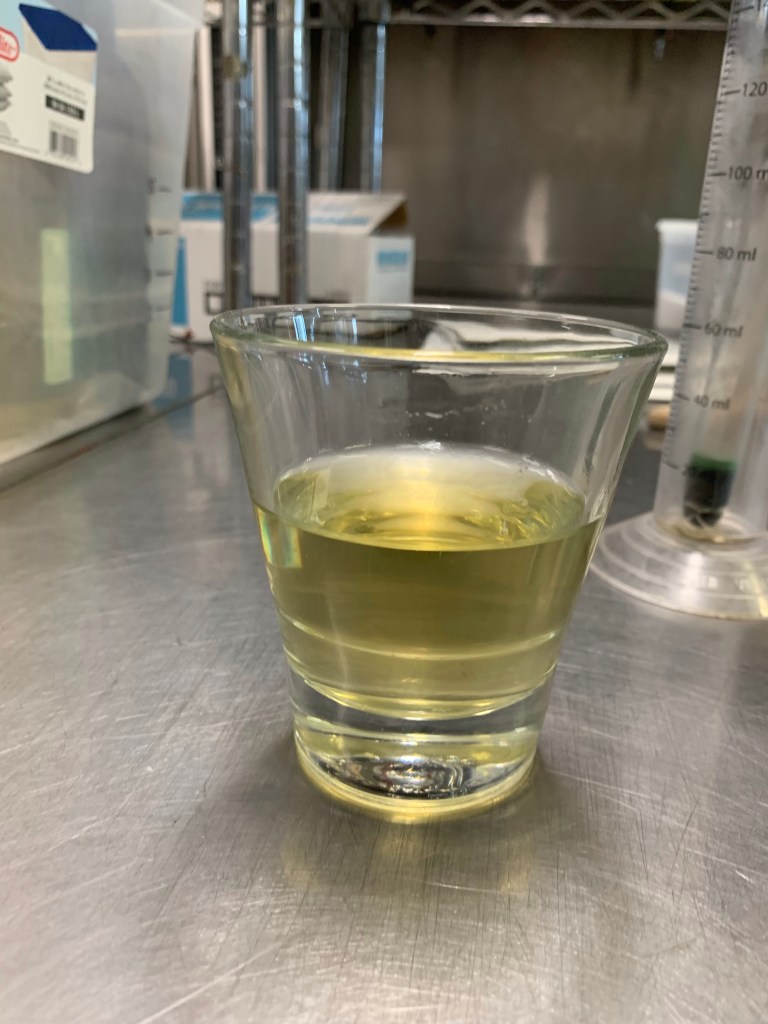
The result was a spicy, warming mead that drank like a dry white wine. By any measure, it is my best mead yet- and I will never sell it to anyone. That’s because unlike baking and now writing, home brewing is something I want to keep mine.
“The Besamim Box”- A 12.7% ABV spice mead that drinks like a dry white wine. Made by me over five months, and absolutely NOT for sale.
The drive to Capitalize and Monetize everything we enjoy or may do well is thee double-edged sword of Damocles hanging over everyone’s head today. As soon as we realize we enjoy or have a knack for something, one of the first questions we are asked (or ask ourselves) is “how can I make money off of this?”
Why? Why is simply enjoying ourselves from the start not reason enough?
I remember the first time I realized I enjoyed making origami paper figures and that they made others happy. Within a day, I had set up a little table and chair on my nearly-empty sidewalk with a stack of square paper, trying to sell origami figures.
It wasn’t enough to just make me happy. Something told me I had to make it worthwhile- and that meant it had to make money. I dare anyone to tell me that my goofy 10 year old ass could have made a career out of selling origami figures on the sidewalk in Margate. At least the hobos selling wire-wrapped stones and pendants in Portland buy their own materials.
Baking and writing also make me happy, but I long ago decided I was willing to try making careers out of them. It’s either the best or worst thing you can do with a hobby you love. Often it’s both. I still love baking and creating in the kitchen, but when shit hits the fan and I need to stare down the barrel of a 60 hour week because all these pies need to be made, baking stops being a fun activity really damned quick.
It’s the same thing with writing. As much as I love writing, telling stories, and introducing people to worlds and ideas they may never have considered otherwise, when I’m not feeling it it is 1000% work.
For sources, look at roughly a third of this blog.
Meadmaking, though, is one hobby I insist on keeping a hobby. I may barter a bottle or two, but I will never sell it. I will never start a meadery (except as a joke. I’m on Untappd as “Le Chapeau Noir Meadery”) or go into the brewing business. No matter how good I might be or awards I might get.
Why? Because it’s mine.
We all need things at only have meaning to us that no one else cares about. The little things, activities, and moments that make us happy. We are absolutely inextricably connected and intertwined with each other, but we also need opportunities to explore and be ourselves. To understand ourselves a s a community of one.
For me, that means connecting with local beekeepers and honey vendors, finding new varieties, and bringing them mead made from their honey. It means giving bottles to friends as a gift, or just chilling down a bottle for my wife and I to enjoy on a summer night.
Mead is a thing I make that’s just for me to enjoy with those I love. No one and nothing else need interfere. There is no sin or failing in this- no “loss of potential” or waste simply because I’m not attaching a price tag to the result. The world has enough of us for so much of our waking lives- we can have some of ourselves TO ourselves.
What’s something you do that you refuse to monetize or share beyond yourself and choice others? Tell us about it in the comments!
If anyone had asked me before I became a writer, I would have immediately marked myself as an introvert. I liked my quiet time, being alone, and going inside my own head.
I still do, for the record. I am definitely have an introverted streak and I like to refer to myself as “running out of people minutes” or having “peopled too much” when I’m ready to go off somewhere for a little peace and quiet.
Then I started writing in restaurants, learned that the best stories come from listening and talking to other people, and now I feel bad if I don’t socialize at least a bit every day.
Humans are a social species. We are not built for complete isolation. Enjoying being alone is one thing… but no human is meant to be lonely.
In my case, I missed last week because I literally had no energy to do anything after a 60-hour week in the bakery. I wanted to write, I had ideas of what to write about… but the tank was on “E” and I was running on fumes for the downtime I had.
I don’t blame anyone for wanting to get out of a field that is effectively lying in the bed of intransigence it made and now dealing with its legendary well of desperate labor suddenly running dry. A lot of my older friends and colleagues are staring down this situation and realizing that “the free market,” capitalism, and truthfully any economic structure looks great until you find yourself on the underside of it.
So why am I not part of this grand exodus? With my skills and experience, I could march into nearly any job fair run by one of those hospitality giants, lay down my resume, and conduct a bidding war for my services. More money, more benefits, fewer responsibilities (at least to start), and a clear career trajectory for rising in their company. Sounds like a no-brainer, so why not go for it?
Because I refuse to waste time working toward what I don’t want.
Not everyone would spend one of their days off stomping through the city in the rain, through campgrounds, railroad crossings and service roads just to find a tiny ramen joint and a brewery not long for this world.
Those people aren’t me, and they surely don’t live in Portland.
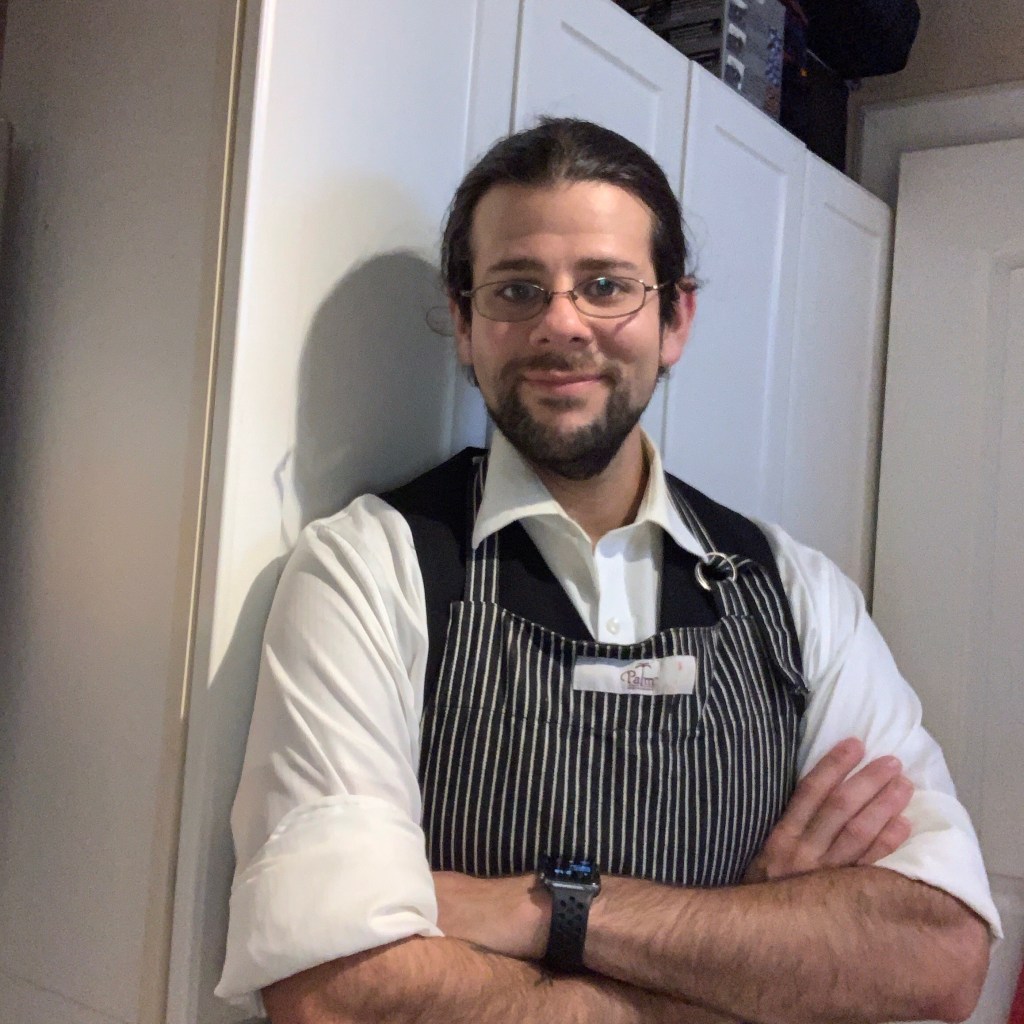
Excuse the hat hair- I was just happy to be out of the rain for a minute.Continue reading →




 The Black Hat Baker