Towards the end of my days in the winery, it gets to a point where I realize I’m taking up space more than helping out. The other two members of my team are there- one usually plugging away at whatever events are going out soon, and one getting their station ready to handle restaurant business for the night and getting up to speed- events, reservations for the night, VIPs and the like they’ll need to see coming.
A sign of good training and good people is when they leap into work on their own without the need for supervision- and the sign of a good manager is when they know their job is done for the time being. A leader’s job is to train, support, and provide for their team so that they can do their jobs well. That means providing materials, guidance, information, time, manpower, whatever is required. I believe the first and last question a leader of any group needs to ask is “How can I help you succeed?” Frequently, in my case, the answer to that question becomes “Go do something else and step aside. We’ve got it from here, we’ll call if there’s an issue.”
“The History of every major Galactic Civilization tends to pass through three distinct and recognizable stages, those of Survival, Inquiry, and Sophistication, otherwise known as the How, Why, and Where stages. For instance, the first stage is characterized by the questions “How can we eat?” the second by the question, “Why do we eat?” and the third by the question “Where shall we have lunch?”
-Douglas Adams, The Restaurant at the End of the Universe (The Hitchhikers Guide to the Galaxy #2)
If you are biological, you need to eat. You need to consume the energy you need to live somehow, no way around it. Plants photosynthesize, animals graze or hunt, and humans go to Wawa. It’s part of the whole “being alive” thing.
For most of our history as a species, what we ate was of greater concern than how we ate it. Douglas Adams hilariously but accurately described it in The Hitchhiker’s Guide quote I gave above. What Adams left to food historians, sociologists, barstool philosophers, and other nerds like myself to debate was how we felt about the act of cooking. Even within the lifetime of the last couple of generations here in the USA, the change in how we as a culture approach cooking and food in general has been massive.
If one is curious enough, one can twist out the wild story from the influences of changing cultural norms, gender roles and expectations, technological developments, and world events like twisting yarn out of cobwebs.
Several books and personalities have investigated this question in depth before- I’ve dipped a couple toes in that ocean myself. I’ll link some of those books throughout this post, but I want to focus on one interesting aspect of it- when and how did cooking for yourself become something to brag about?
You can absolutely love what you do and still be fucking tired.
Compared to a lot of folks, I’m lucky. I have a wonderful wife. I live in a decent town, and between the two of us we manage to make enough to live comfortably working in fields we love and trained for.
I’m going to go ahead and toot my own horn a bit here (my therapist said I need to improve my self-talk) and share that I am objectively very good at my job. The work of being a pastry chef, running and training a small team, and developing recipes is not an unmanageable burden for me. My team and I deliver excellent work for our employers and our customers.
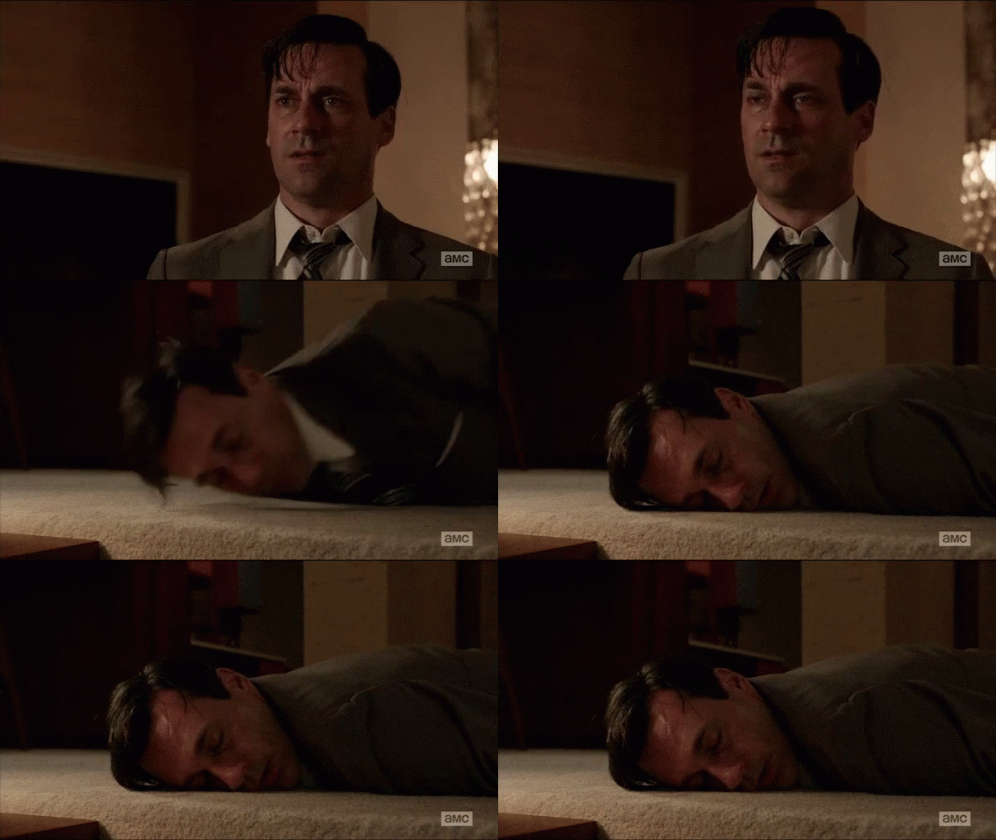
Just because someone carries a burden well doesn’t mean it isn’t heavy, and even people who perform well at work they enjoy feel the need to put down their tools, scream into the void for a bit, and then take a nap.
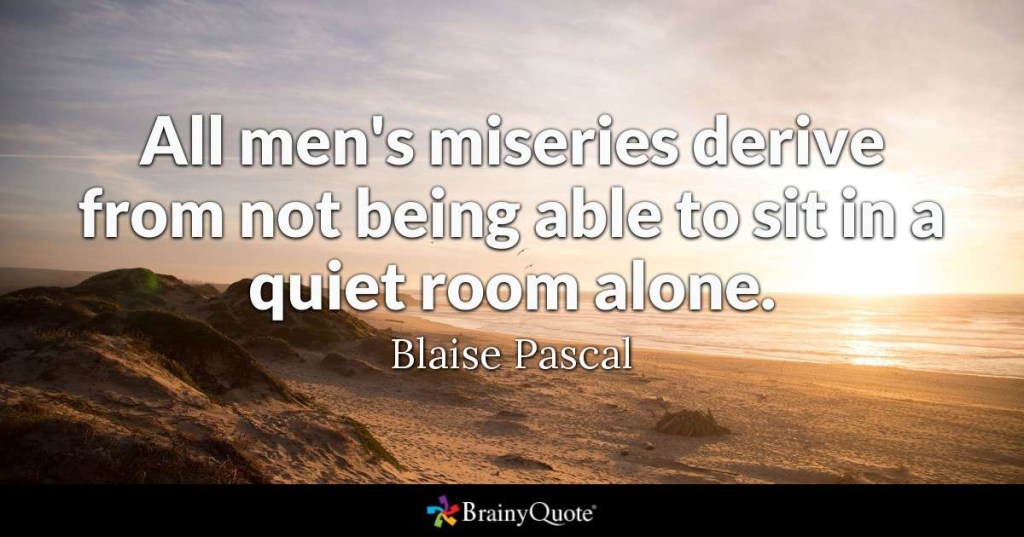
The internal editor is both a writer’s best friend and worst nemesis because its voice sounds like all of our heroes, influences, instincts, talent, and tastes. The problem is that those voices are both encouraging us and criticizing us, simultaneously and constantly. I think writing only really comes out when you can shut all those voices off- even just for moments at a time. Between news of the world, work, and my own preoccupation with getting back in shape, there are precious few times when I can actually feel “still” enough to hear my own voice.
In the Hagakure by Yamamoto Tsunetomo, the samurai-turned-Buddhist monk writes “Lord Sanenori said, ‘In the midst of a single breath, where perversity cannot be held, is the Way.’”
Think about that for a moment. You’re breathing right now, right? I hope so, anyway. Don’t do anything to change your breath, but just kind of notice it. When people meditate, the reason we get told to “count our breaths” or “focus on our breath” so much is that it’s impossible to breathe anywhere butin the present moment.
So here you are, breathing, and just being aware of air going in and out of your body. Without changing your breath, though, try to notice the spots between the breaths. The point just before you inhale or exhale when the previous motion has just finished. Nothing in, nothing out, you’re not actively holding your breath… it’s just stillness.
Paying this kind of attention to something as ubiquitous as breathing- really just being still and present long enough to notice- can feel really freaking weird. It’s like suddenly noticing how your clothing feels on your skin, or realizing you can feel the structure of your teeth in your mouth.
Okay, that last one WAS seriously weird. Sorry about that, but when was the last time you stopped long enough to notice something like that, though? Before I started meditating regularly, that kind of sensation only happened when I was injured or something felt off/wrong. We’re not encouraged to stop or think or be present- there’s so much to do and see and consume and needs doing and we’ll be left behind otherwise, and therefore less-than therefore shamed therefore unfuckable therefore therefore therefore… It’s not a good way to live, but we’re used to it. We’re so used to it that stopping to think, feel, and be present in our bodies feels really goddamned weird.
I still don’t always feel as still or serene as I want to, or when I want to, but I have started to notice moments that make feeling present easier.
I’m a chef, so of course focusing on a taste or flavor is important. Whether it’s shutting my eyes to focus on what a new batch of nectarine jam needs at work or sitting up on my porch, determined to experience everything a dram of whiskey has to offer, those are moments of quiet focus, stillness, and presence that I need in my life.
When I run, that feeling of presence and stillness is called “the Zone” or “the Void.” The mind goes blank and there’s nothing but the slap of shoes on asphalt and wind on skin. Even physical pain is ignorable and thus endurable.
It’s a bit different when I’m sitting down at my writing desk because ironically it’s here that sensory presence can be a distraction. The candle I’ve made a habit of lighting when I write does less to inspire presence than encourage contemplation. Above my desk is a large print of Rene Magritte’s “Personal Values.” I chose it because it’s surreal, serene, and just odd enough to let you stare at it for a moment and think about other things, like watching fish in a tank.
“Personal Values, 1952”- Rene Magritte
Even as I sit here writing, there is that internal editor again. “Where are you going with this, Matt? Does this have anything to do with food? The culinary industry? Are you a food writer or aren’t you?”
Yeah, I am- and I could easily spin this whole article to be something about finding stillness in the creative life, maintaining mindfulness in the kitchen, or meditations over a medium-well-roasted tofu block. I’m not going to, though. Even in your creative life and the pursuit of a craft, you need to take the equivalent of a breath and find the stillness before it.
I started out the door with a simple idea- “Find a place with food and a beer, sit down, do some writing, come home and hide from the sun to edit.” That’s always the plan for at least one of my days off. Brilliant blog posts, scintillating wit, and scathing social criticism don’t just fall out of the sky, you know.
I love my wife, my cat, and my friends very much, but I’ve also had a lot of time (and put a lot of work into) enjoying my own company. That’s why, at some point every weekend and even on vacation, I try to make a point of getting out on my own and putting some pavement under my shoes.
What looks interesting? What are people talking about? Where are the workers going on their breaks? Where are the old men drinking? Are there cooks out and about? Where are they?
That’s how you hear about the best stuff in any given city. You have to go find it.




 The Black Hat Baker