The boss kepts saying words like “slow down, take a breath, relax a bit…” but the schedule and production weren’t bearing that out, and if you’d asked any of my coworkers, they’d have said it felt like we’d been sprinting since June.
Over post-shift beer, my buddy Nick- the lead prep cook- and I compared what was to be our third holiday season at the winery with the previous two and tried to get our hands around the situation.
“It’s fucking insane…” Nick said, tipping back his pint of amber lager and sucking a little foam off his mustache. “We’re doing business and a lot of it, that’s for sure- but not that much more than last year. Events has a full roster, but prep is still short at least one person. We were short last year too though, so what the hell is it?”
After a rainy day and almost too much walking around in it, it seems the last wayward drops are making their way off the trees and onto the patio.
The week at the winery ended, for me at least, in one of those “what the fuck happened,” twelve-hour shifts that you can’t quite put your finger on where the day went or where it clearly all went wrong, but the only thing for it is embracing the suck, powering through, and getting to a point where you can leave the kitchen for a couple days without fear anything will irreparably explode.
I dragged my ass home, pausing to hit up one of my favorite beer stores along the way. The fact that I then dropped all three can of dark beer on the pavement- one rolling under the car, leading me to kneel down in the dark in a black hoodie, waiting for some impatient shmuck to flatten me before I realized it had rolled all the way under to the curb- confirmed that the day was Seriously and Entirely Fucked, and I needed to get myself home and out of work attire before something else happened.
Emily, absolute princess that she is, greeted me when I came home and told me to just get comfy. I stripped off my jeans and long sleeve undershirt, having already deposited my aprons and jacket for the laundry I’d do later. After a little downtime, some brainrot internet cartoons, and a little of my latest whiskey acquisition, I was feeling something like human again.
I’m in the middle of outlining a second manuscript (yes, while the mentorship book is still very overdue on my own schedule. It’ll get there, this is important too, trust me.) This one is the first book I’ve really tried to write with another person- and what’s more, it’s my father.
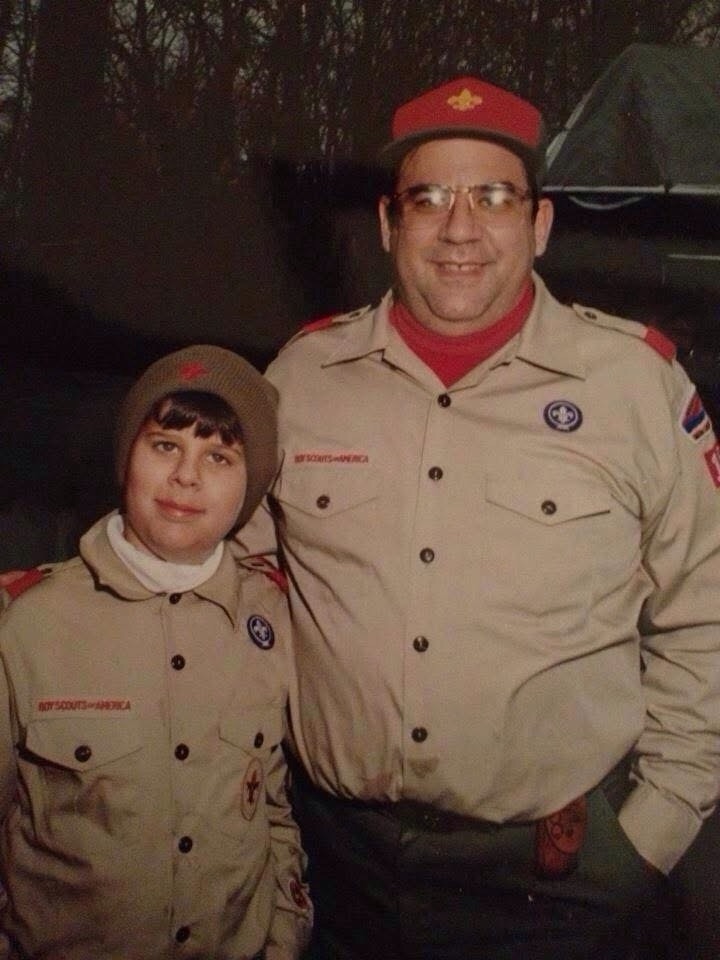
Dad was already a doctor here. I was still trying to figure out what the hell I was. Both of us had mud in our boots and wet socks.
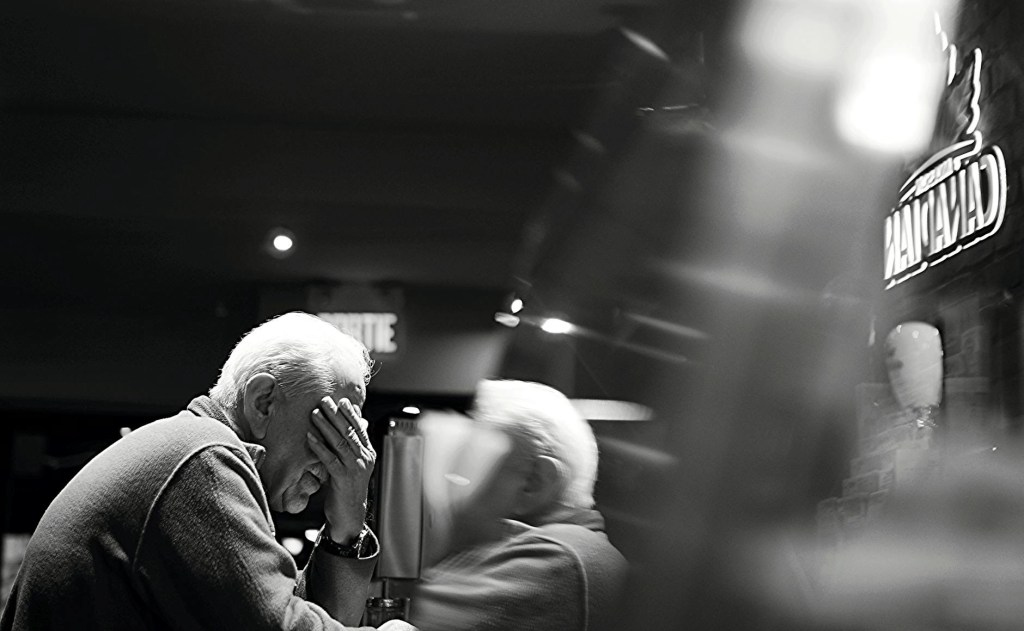
A chilly night, but not as chilly as it will eventually be. I’ve decided a thin-but-thermal cotton hoodie, t-shirt, and sudra will do as I get out to unwind on my Saturday. I’m at the Beer Bus, of course- I felt the need to gently socialize, and the bartender on weekends is a cool guy, but we don’t know each other quite well enough to chit-chat. I’ll bother him for a beer, do a little small talk, then I know he’ll go into his own world and chat with more regular customers while I do my thing. I get to just observe, drink some good beer, and write a bit.
A place that takes care to curate their beer offerings is worth hanging around…Continue reading →
“[…]and I have filled him with the spirit of God, in wisdom, and in understanding, and in knowledge, and in all manner of workmanship […]”
– Exodus 31:3
Despite all my writing about The Way of the Floured Hand, the happy moments in the bakeshop, and how fulfilling it is to work with my hands (I’m pretty sure I would self-mummify at a full-time desk job), the fact is this shit is WORK.
As much as I may like the work, and as good as I am at it, at a certain point in especially busy weeks I find myself saying “I wanted to be a pastry chef… and for my sins, they let me become one.” Whether it’s persnickety chefs, crowded kitchens, or cooks that regularly seem too dazed and bewildered to understand what “hustle” means and manage to be underfoot even while I’m standing still, this calling of mine is good at reminding me that I’m doing it for pay, and they’re gonna make me earn that pay.
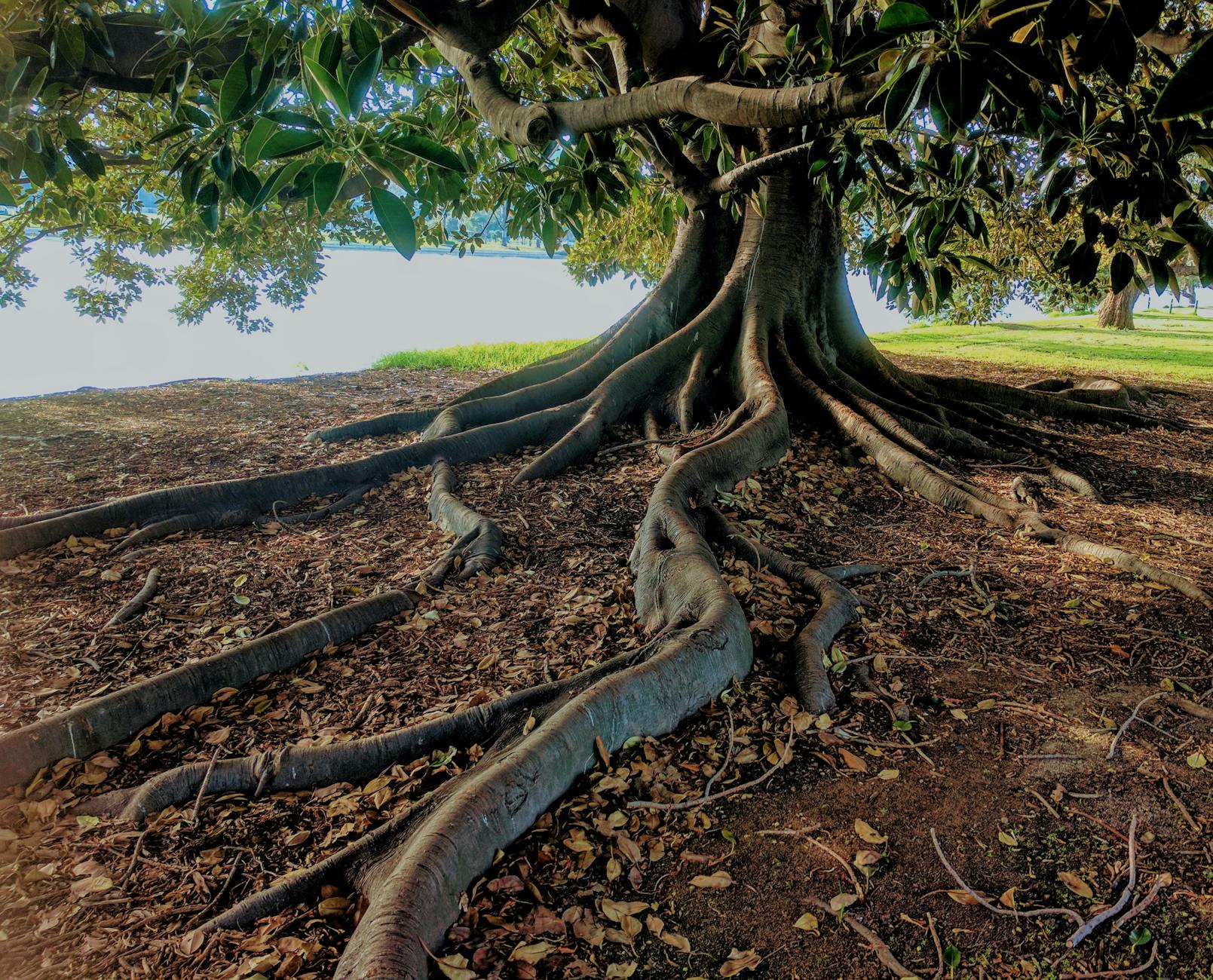
“Deep roots are not touched by the frost.” – J. R. R. Tolkein. Photo by Daniel Watson on Pexels.com
The ups-and-downs of the hospitality industry are no joke. Bosses and owners use words like “feast or famine” to describe the activity between the “busy seasons” and “slow seasons.”
I came from a beach town, where “slow season” meant quiet time. It meant half the local, non-chain ice cream stands and places on the boardwalk simply shuttered from Labor Day to Easter. Kids who wanted/needed summer jobs near their parents summer homes knew they needed to have their applications and resumes in shortly after Valentines Day if they wanted an apron waiting for them by the time Mom and Dad aired out the “life’s a beach” and “Island state of mind” decor.
The winery’s busy season starts around Easter- our “dress rehearsal” for Mother’s Day Brunch- and lasts the entirety of Wedding Season (May- September) with possibly a small lull before the Holiday Party. After New Years Day, however, business goes off a cliff. Hours get cut, and employees cash out reserved PTO to fluff up their checks and pay bills. They find gig work, pursue side hustles, or even pick up per diem jobs at places with skeleton crews and sick time policies.


 The Black Hat Baker