Good evening, friends and neighbors!

on On The Bench… some dude screamed the whole time with his arms up or something.
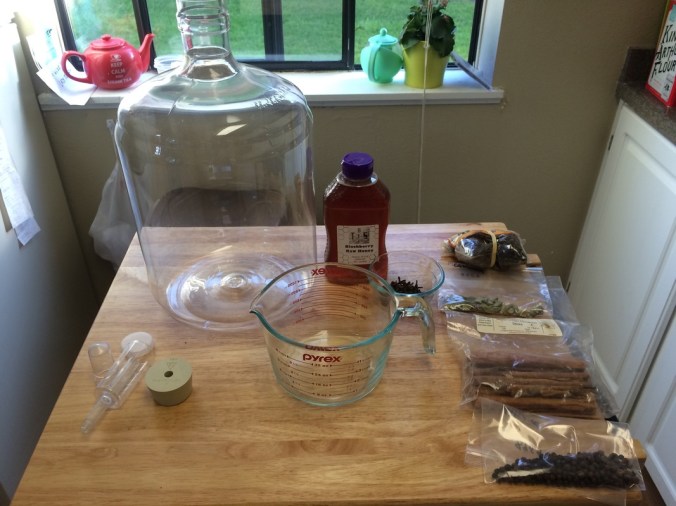
Actually, I told you how to how to get started brewing a simple mead at home. Here’s what you do for when the 10 days- 2 week fermentation time is up!
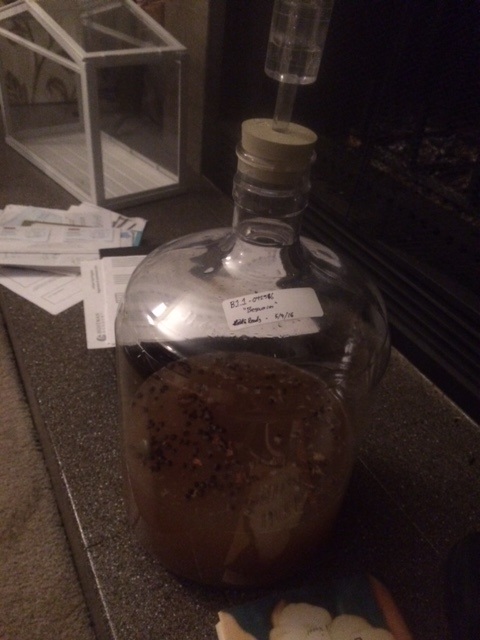
Ok, not to curb your enthusiasm or anything, but just a quick note- this is only the PRIMARY fermentation. Today, we’ll be getting your delicious mead off the dead cells, sediments and whatnot that might mess up the flavor if you let it sit there. Your mead will KEEP fermenting until either it runs out of sugar (which can take years) or you choose to kill it by boiling and filtering it.
Mead is interesting in that, in most cases, after it is bottled it can be cellared INDEFINITELY. You can drink this stuff in 5 years and see where the reaction and aging has taken it. If you just want a sweet, quick little drink, go ahead and enjoy now. Otherwise, hold off for a while- this is only a BABY mead at this point.

Unless you’re REALLY into drinking babies for some reason…
What To Do When Your Mead is Done
First of all, you might want to get some equipment from your local homebrew supply store:
This is my preferred sanitizing agent, BTF Iodophor- an iodine-based cleaner. It’s food-safe, doesn’t require rinsing afterwards (even though I do anyway,) and doesn’t leave a funky flavor on the stuff it cleans. Whatever you decide to get, pick something that won’t leave weird flavors, and DEFINITELY won’t mess with your equipment.
Just dump the appropriate amount in (following the sanitizer’s instructions) and mix.
You’ll also want a couple of tools to make this process a little easier for you. None of these things will break the bank, and in fact some homebrewing stores may include them in a “starter” kit.
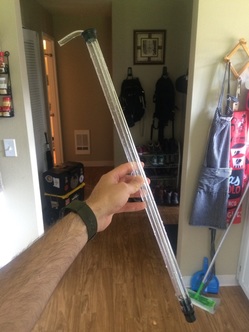
This is an auto-siphon, an open-ended pump that’ll make it super easy to get your mead from your big fermenting jug to smaller bottles. This one even has a special cap on the bottom to keep it from sucking up TOO much of the sediment.
You’ll also need a length of food-safe tubing. I picked up a clamp for mine just to keep things neat.
This is a bottle filler, and it will prevent a LOT of cleanup later, trust me. The valve on the bottom only opens when pressed, so with your siphon and hose connected to this bad boy, your mead will go where you want it- as opposed to the floor.
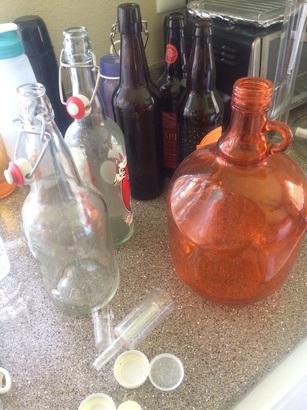
Bottles. Duh.
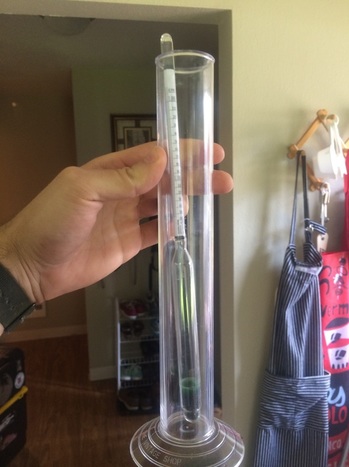
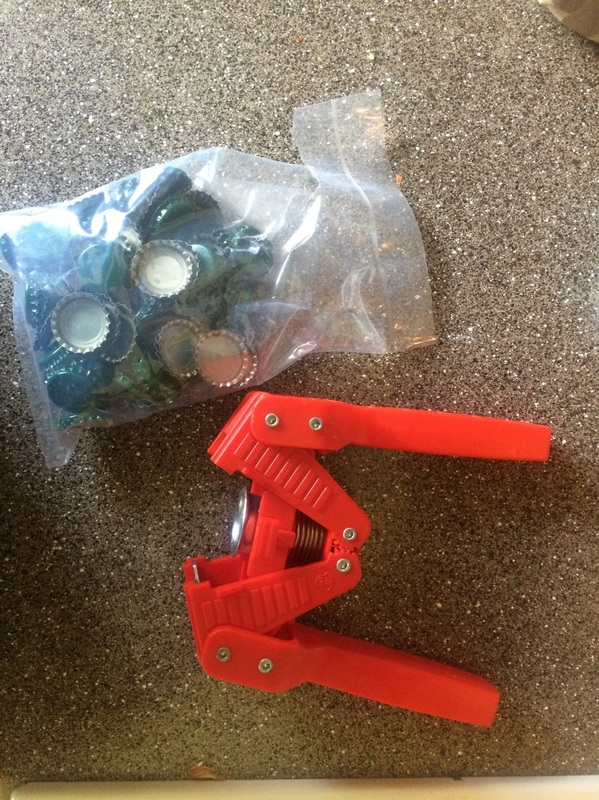
Those are the basics. I also have a hydrometer, testing flask, capper and caps.
These are for if you are a super-nerd like me and really want to figure out the proof (alcohol content) of your mead. The capper and caps are only a must if you want to store it in bottles that don’t have a swing or screw top, and it’s cheaper than a corking machine.
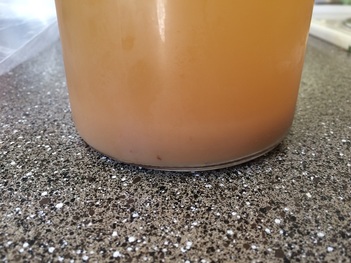
At this point, you will want to chill your mead down as best you can. This will slow down the fermentation and it will gather most of your sediments to the bottom in a process called “clarifying.”
This whole process is called “racking.” In winemaking, this would be when the wine is pumped from steel fermentation containers to barrels so that it can sit and age. In my case, my big 3 gal. fermenter can’t fit in my fridge, so I split it up between several smaller containers so I can clarify it more quickly and fully rack it later.
CLEAN EVERYTHING!!!

FIll all your bottles with sanitizing solution, let sit about 4 minutes, then dump them out…

…drain them well, and let them air/sun dry.
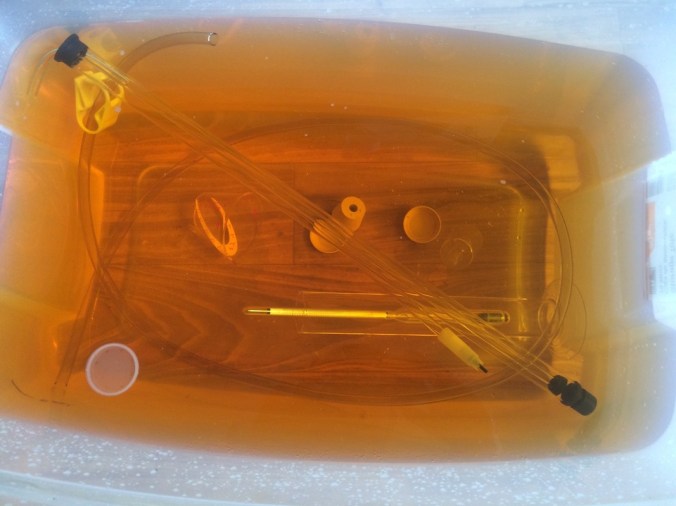
Everything else goes in the tub for about 5 minutes, immersed COMPLETELY, inside and out.
EVERYTHING that interacts with your mead must be cleaned, sanitized, drained, and air-dried. EVERYTHING.
Once you have your cleaning out of the way, it’s time to set up your siphon and get things going!
Simply take your hose and connect your auto-siphon to one end, and your bottle filler to the other. Drop the business end of your siphon slowly into your mead so that it sits JUST ABOVE the sediment on the bottom. Yes, you will lose some mead to that. Sorry. :C
If you’ve ever filled up a fuel can or cleaned a pool, you know how a siphon works. Put simply, it’s when water goes down a tube in such a way that it pulls more water with it. The pump on your auto-siphon will get your mead “up the hill” enough that it can fall and create the siphoning action. Since the end of your hose has your bottle filler on it, you might need someone to press that down into your first bottle while you pump. That’ll get everything going.
From there… just fill up your bottles!
Cap them in whatever way pleases you. I love swing-top bottles just for this purpose.
Voila! You have bottled your first mead! Now label it, date it, and either drink it or store it!
Just remember, before you put all your equipment away…
Yeah, you weren’t getting away from that one. Brewing is mostly cleaning.
At least you get booze out of it!
Stay Classy,















 The Black Hat Baker