Good afternoon, friends and neighbors!
It’s been a minute (and two jobs) since I wrote one of these entries, and it’s something a lot of folks ask me about:
“What’s it like being the morning baker/ ovenmaster in a French bakery?”
Well here we go.
Good afternoon, friends and neighbors!
It’s been a minute (and two jobs) since I wrote one of these entries, and it’s something a lot of folks ask me about:
“What’s it like being the morning baker/ ovenmaster in a French bakery?”
Well here we go.
Good afternoon, friends and neighbors!
Even as affairs in American kitchens are slowly changing from the bad old days, one aspect of the Kitchen Life still holds up:
The professional kitchen is a meritocracy.
You either can do the job, or you can be TAUGHT to do the job, or you can’t. Doesn’t matter where you went to school, who you know, how many cookbooks you have.
You can either show up, on time, in the right state of mind, and do the job like you said you could… or you can’t.
That said, the space between arrival and the last two week of a position can be… colorful, to say the least.

Good morning, friends and neighbors.
Some time back, I asked a group of professionals what movies about kitchen life got it “right,” and which ones really REALLY got it wrong.
“Waiting” and “No Reservations” were among the “don’t mention that movie in my presence” list, but there was one movie that everyone- and I mean everyone- claimed hit the nail on the head: Jon Favreau’s 2014 father/son megahit, Chef.
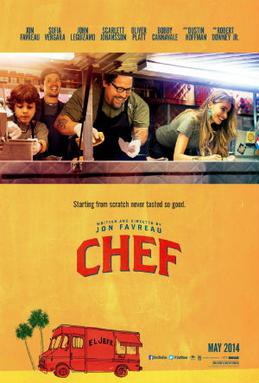
Whether it was the sweet story of a busy chef trying to keep a relationship with his son, that same chef bucking a demanding owner and going into business for himself, or just the gobs and GOBS of on-location foodporn, Chef struck a chord with every pro I met who’d seen it.
When my mother saw the movie for the first time, she said, “See Matt? That looks fun, and not that hard! You could do that!”
Thanks for the vote of confidence Mom, but as cool as it looks- running a food truck is NOT exactly the “easy mode” of the food world.
Good morning, friends and neighbors!
Given last weeks tell-all about pie, I thought it would appropriate to give savory pies their chance!
Bakers and chefs chimed in, and I scrolled through their responses before finally saying,
“Yeah, everything here is about right to my experience. Here’s a couple other things I do that you might find helpful..”
My friend from last time popped up. “Oh thank God, I was wondering this too. Have you written about this?”
I went back and found my previous pie-related entries, only to realize I NEVER COVERED FILLINGS.
“Dude, GET ON IT, and then send me the link! Maybe a video how-to?”
Well, I like to correct my mistakes, and I’m here to please, so strap in all. I’m going to take you through baking pies and my personal Top 5 Fruit Pie recipes! Video how-to will come soon!
Pumpkin Pie
My Favorite Recipe
(from The Joy of Baking. Good for 2 single-crust pies or one double-crust pie)2 1/2 cups (350 grams) all-purpose flour
1 teaspoon salt
2 tablespoon (30 grams) granulated white sugar (leave out if you want it savory)
1 cup (226 grams) unsalted butter, chilled, and cut into 1 inch (2.5 cm) pieces
1/4 to 1/2 cup (60 – 120 ml) ice water or other chilled liquid (experiment with different liquids to get interesting flavors!)
Herbs or Spices as you see fitIf you are using an electric mixer, freeze the butter. If not, chilled is fine.
Mix all the dry together, and then the butter until the mix resembles coarse meal (if making by hand, use your fingers or a pastry blender to cut in the butter. You DON’T want any large lumps. By keeping the butter chilled/frozen, you break up the butter before it can melt.
Add the liquid all at once. If it’s too dry, add a bit more. Your dough should be cold, but not wet or very sticky. Pulling apart a lump, you should be able to see layers inside. Split into two equal size discs, wrap in plastic and chill.Basic pie dough is 3 parts flour, 2 parts fat, 1 part liquid- hence, 3-2-1 Dough
Keep everything as cold as possible, and use as little flour as possible when rolling. Otherwise the dough will absorb it and dry out.
If your dough is shrinking back after you roll it, it means it’s been overworked. Let it sit for a few minutes before rolling again.
Pie Assembly

No judgments- You do you!Again, it’s up to you! For me, I personally like to pre-cook. It means I can spread out the time necessary to make a pie (having dough and filling made a day before means that I can just assemble and bake when I’m ready!)
It also leads to a thicker filling, since you are really just heating the pre-cooked filling and baking the crust.
How Do I Know When It’s Cooked?
Got all that? Good!
Here’s some of my favorite pie fillings!
4 lbs chopped fresh peaches
1 lb. sugar
About 1 oz. cornstarch
Any spices you like (for a smoky hit, add a little ground chipotle pepper!)
A few jalapeno peppers, diced and seeded.
Cook as for the blueberry pie, whisking the dry ingredients into the cooking fruit, and adding the jalapenos at the end. Just like with the herbs, adding the peppers toward the end preserves their heat! If you cook them with the filling, they wind up just tasting like green pepper.Cherry Almond Cardamom